
Science
Neighbourhood night-sky nights are bringing stars back into view
Local stargazing meet-ups and simple dark-sky habits are helping people rediscover the night sky without leaving their towns.
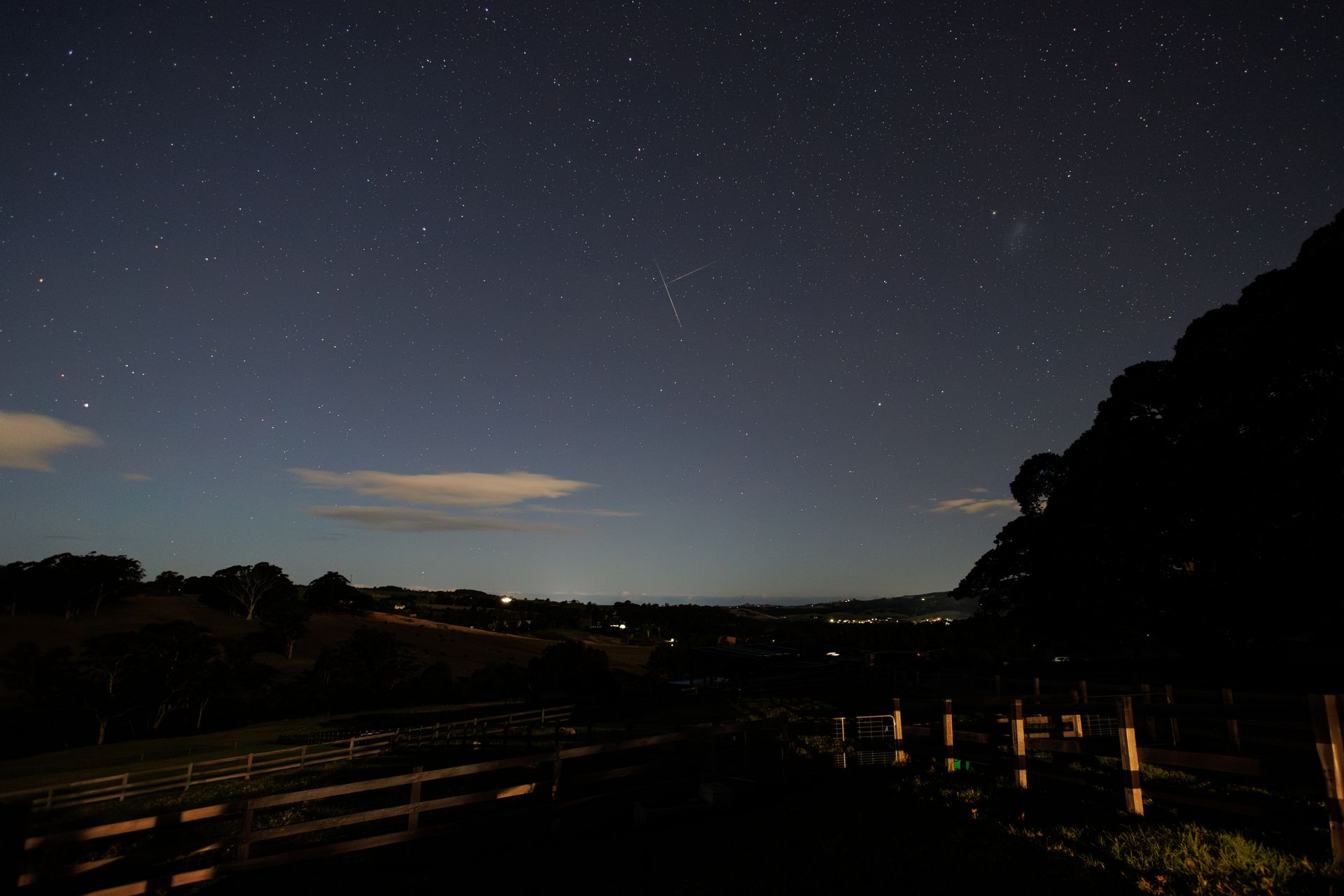
On clear evenings, small groups are gathering in parks and school fields with blankets, thermos flasks, and binoculars. The goal is simple: look up together and notice what light pollution usually hides.
Organisers say the appeal is less about technical expertise and more about shared curiosity. Many first-time visitors arrive expecting a lecture and leave talking about how calm the dark feels once phones are tucked away.
- Switch outdoor lights to warm, shielded fixtures that point downward.
- Dim porch lights for a few hours after dusk when possible.
- Choose parks a short walk from street glare for better viewing.
Why darker skies feel closer
Even a modest reduction in nearby glare can reveal familiar constellations and the soft band of the Milky Way on the best nights. Guides keep sessions short, welcoming, and free of jargon so children and adults can join with equal ease.
- Bring a red torch or cover a phone light with thin paper.
- Arrive a little early so eyes can adjust to the dark.
Volunteers often start with naked-eye landmarks before offering a turn at a borrowed telescope. That pacing helps newcomers feel successful quickly rather than overwhelmed.
You do not need perfect darkness to feel wonder. You only need a clear patch of sky and a few patient neighbours.
Some groups now combine viewing nights with short walks on nearby paths, using the quiet to talk about sleep, wildlife, and how towns can keep evenings softer without sacrificing safety.
The brightest moments are often the quietest ones, when someone spots a satellite trail and the whole circle points upward at once.
A habit that fits busy weeks
Monthly calendars, weather alerts, and simple packing lists have made attendance steadier. People treat the nights like a picnic with a purpose rather than a specialised club.
Looking ahead to longer evenings
As autumn nights lengthen, organisers expect more families. The invitation remains the same: step outside, dim what you can, and share the sky as a common good.
For many, the lasting change is smaller than a telescope. It is remembering to glance up on the walk home and noticing that the night still has room for stars.
Small changes, clearer views
Councils and residents working on lighting plans say community feedback helps. When people can describe what they saw, the case for thoughtful design feels practical rather than abstract.
In the end, the nights succeed because they ask so little and offer something generous: a shared pause under the same sky.
A first night checklist
Warm layers, a seat on the ground, and patience with clouds cover most needs. Curiosity does the rest.
Newcomers are encouraged to ask questions out loud. Quiet awe is welcome too.
Hosts remind everyone that weather will cancel some evenings, and that is fine. The next clear night is always another chance.
What grows from these gatherings is a gentler relationship with evening light and a stronger sense of place.
Stars as a neighbourhood story
When people leave, they often plan to return with a friend. That simple invitation keeps the circle open and the skies a little darker, one porch light at a time.
- Share a clear-night tip with a neighbour.
- Keep sessions short so families can join after dinner.
- Celebrate what is visible, not what is missing.
- Treat the park as a quiet shared room under open air.
- Leave the space as calm as you found it.
- Come back when the forecast turns friendly again.