
Environment
Street trees are turning summer heat into shade people can feel
Cities planting and caring for canopy along pavements are finding cooler walks, calmer corners, and streets that feel more liveable in hot weeks.
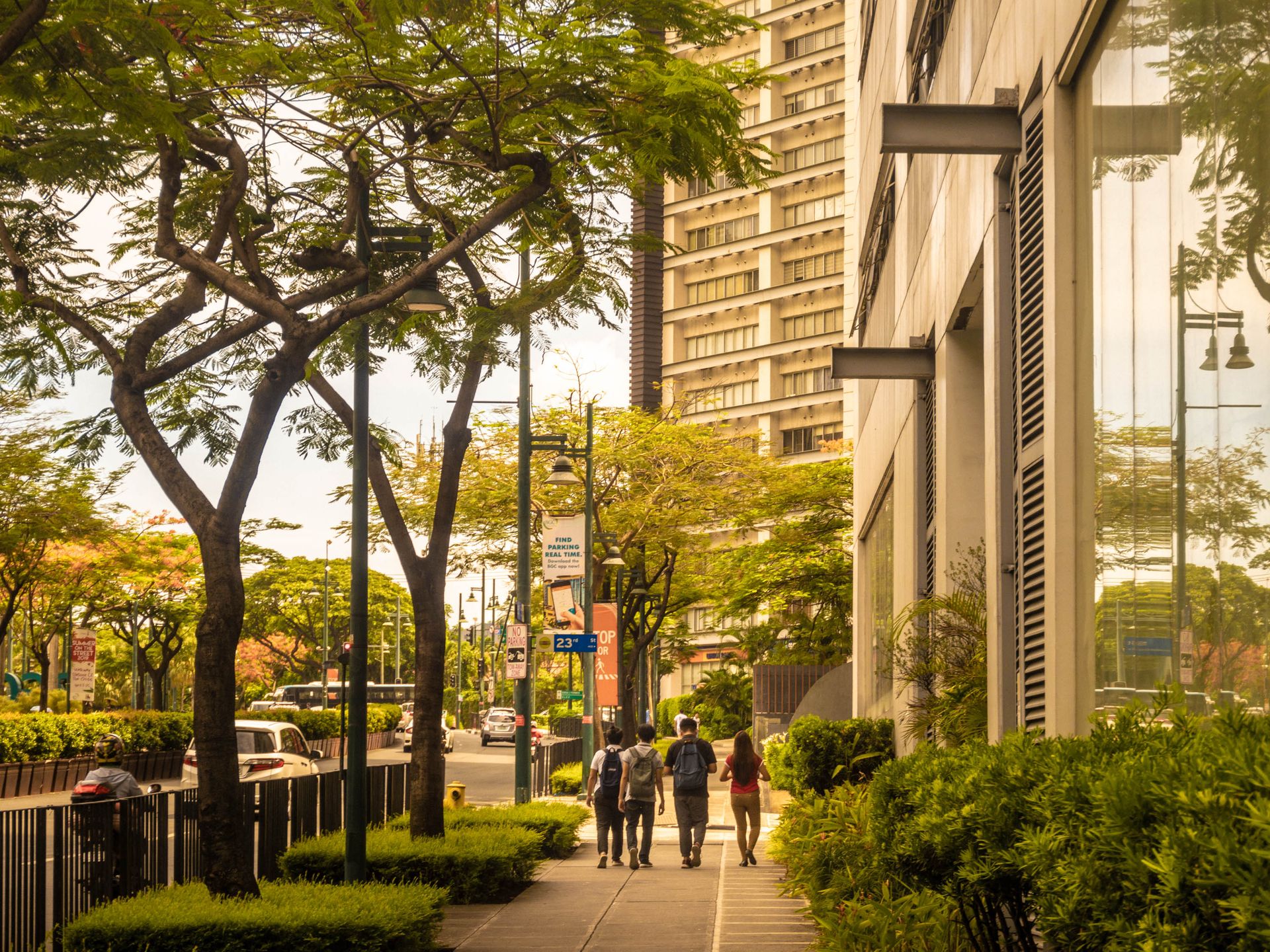
On the warmest afternoons, the difference between a bare pavement and a tree-lined block is immediate. Shade softens glare, slows the heat rising from asphalt, and invites people to linger rather than rush indoors.
Residents and planners describe tree care as everyday infrastructure. Watering bags, careful pruning, and protected roots matter as much as the ceremonial planting day.
- Choose species suited to local climate and pavement width.
- Water young trees steadily through their first summers.
- Keep soil pits open so rain can reach the roots.
Cooler walks, quieter streets
Where canopy is continuous, people report walking farther and sitting outdoors longer. Small parks under mature trees become informal meeting places when indoor spaces feel stuffy.
- Map the hottest blocks and prioritise shade there first.
- Invite neighbours to adopt a young tree for watering duty.
Maintenance crews say early care prevents later loss. A healthy young tree becomes a cooler street decades sooner than a neglected one.
Shade is not a luxury on a hot pavement. It is a public comfort that grows if we let it.
Some districts pair planting with bike lanes and benches so shade serves people who move through the street as well as those who live beside it.
The best feedback is simple: more footsteps at noon, fewer people hugging the narrow strip of building shadow.
Roots need room to work
Designers are widening soil volumes under new plantings and using permeable surfaces where possible. Trees repay the space with cooler air and softer sound.
Community hands keep canopy alive
Weekend watering rotas and school planting days turn abstract climate goals into neighbourly habits. Children name trees; adults keep the soil moist.
Success looks quiet: birds in summer leaves, a cooler wait at the bus stop, and fewer heat complaints on the same stretch of road.
Patience is part of the plan
Canopy takes years, not weeks. Planners who set expectations honestly find more support when young trees look thin at first.
In the meantime, temporary shade sails and misting stations can bridge the hottest seasons without replacing the long-term goal.
What residents can do this week
Report damaged guards, water when soil is dry, and leave leaf litter where guidance allows. Small acts protect large investments.
Shopkeepers who keep planters watered often become unofficial stewards of the nearest street tree as well.
The result is a street that feels less harsh and more human when the temperature climbs.
Urban nature does not need wilderness to matter. A line of healthy trees is enough to change a summer day.
Growing comfort into the map
As more blocks join the network of shade, the benefits compound. Cooler corridors connect parks, schools, and shops into one walkable path through heat.
- Protect roots from compacted soil and parked wheels.
- Celebrate mature trees as shared assets, not obstacles.
- Plan replacements before storms remove canopy.
- Keep watering schedules public so helpers can join.
- Measure comfort in how people use the street, not only in degrees.
- Plant for the next generation of summers as much as this one.